Top 5 Apparel Manufacturing Trends in 2026 | Future of Fashion
- Share
- Issue Time
- Dec 29,2025
Summary
Explore the future of fashion. From AI design to technical streetwear, learn the top 5 manufacturing trends of 2026 and how Vainnx's 10-year expertise can scale your brand.
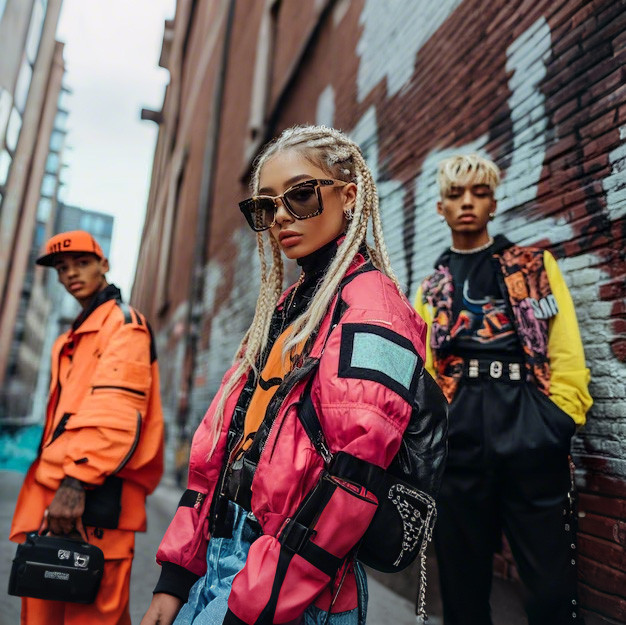
The Future of Fashion: Top 5 Apparel Manufacturing Trends in 2026
As we approach 2026, the global fashion landscape is undergoing a radical transformation driven by technological breakthroughs and a shift in consumer consciousness. For clothing brand manufacturers, the traditional "seasonal" model is being replaced by a more fluid, data-driven approach. Brands are no longer just selling products; they are selling identity, sustainability, and speed. In this fast-evolving market, staying competitive means embracing automation and precision.
The 2026 fashion cycle is defined by hyper-efficiency and localized production. To succeed, labels must partner with manufacturers that can translate digital concepts into physical reality with surgical accuracy. This shift is particularly evident in the streetwear niche, where the culture moves at the speed of social media, demanding a supply chain that is both agile and technically advanced.
1. AI-Driven Design and Virtual Prototyping
Artificial Intelligence is no longer a futuristic concept; it is the backbone of the modern production line. In 2026, clothing brand manufacturers are using generative AI to predict trends and optimize patterns before a single piece of fabric is cut. This "digital twin" technology allows for virtual sampling, which drastically reduces material waste and speeds up the approval process.
By utilizing AI-powered pattern making, manufacturers can simulate how a garment will drape on various body types in real-time. This ensures that the final product matches the designer's vision perfectly on the first try. This trend is essential for brands that want to minimize their carbon footprint while maximizing their creative output in a competitive global market.
2. Hyper-Personalization and Modular Design
The "one size fits all" era is officially over. By 2026, custom clothing manufacturers are leveraging 3D body scanning and "Made-to-Order" workflows to offer hyper-personalized experiences. Modular design—where sleeves, collars, and panels can be swapped or upgraded—is also gaining traction, allowing consumers to "build" their own unique pieces.
This level of customization requires a factory floor that is highly flexible. Custom clothing manufacturers must be able to switch between different technical specs without losing efficiency. This trend caters directly to Gen Z and Gen Alpha consumers who value individuality and "one-of-one" exclusivity over mass-produced items, particularly within the high-end streetwear and techwear segments.
3. Circularity and Bio-Based Materials
Sustainability in 2026 has moved beyond simple recycling. Private label clothing manufacturers are now integrating "circularity" into the very fabric of their business. This includes the use of bio-fabricated materials—such as lab-grown leather and mushroom-based textiles—that are fully biodegradable. The goal is a closed-loop system where garments are designed to be disassembled and repurposed.
Transparency is the currency of 2026. Private label clothing manufacturers are adopting blockchain technology to provide "Digital Product Passports." This allows consumers to scan a QR code on their garment to see the entire history of its production, from the raw fiber source to the factory floor, ensuring ethical labor practices and environmental compliance at every step.
4. The Renaissance of Technical Heavyweights
In the streetwear world, the trend for 2026 is "Substance over Fast Fashion." There is a massive resurgence in technical heavyweights—think 500GSM+ cotton fleece, brut denim, and gorpcore-inspired utilitarian gear. As a leading streetwear manufacturer, we are seeing a shift toward garments that feel architectural and structured, designed to last for years rather than months.
This trend requires specialized machinery capable of handling high-density knits and heavy-duty stitching. A specialized streetwear manufacturer must understand the chemistry of advanced garment dyeing and industrial-grade distressing. Consumers are looking for that "premium weight" that signifies luxury and durability, moving away from the thin, disposable fabrics of previous decades.
5. The "Fast-Drop" Agile Supply Chain
The biggest trend of 2026 is the total elimination of the "middleman delay." The supply chain has become a real-time response unit. Leading streetwear manufacturers are now vertically integrated, handling everything from knitting and dyeing to final shipping in-house. This allows for a "Fast-Drop" model where new designs can go from a social media trend to a customer’s doorstep in weeks.
Why Vainnx is the Leader in 2026 Streetwear Manufacturing
In this era of radical speed and technical complexity, Vainnx stands as the ultimate partner for global brands. With 10 years of professional experience dedicated exclusively to high-end streetwear, we have built the infrastructure for the future. We don't just follow trends; we manufacture them with precision and speed.
Our vertically integrated system is designed for the 2026 market:
Rapid Sampling in 5 Working Days: Turn your digital sketches into physical prototypes almost instantly.
Bulk Production in 15 Working Days: Scale your collection with industry-leading speed.
10-Year Technical Mastery: From heavyweight 600GSM hoodies to complex vintage washes, we handle the most demanding specs.
Is your brand ready for 2026? Contact Vainnx today to start your next collection with the fastest and most reliable streetwear manufacturer in the industry.
彩色文字