Streetwear Market Opportunities by Region 2026: USA, UK, EU, Middle East, SE Asia
- Share
- publisher
- Vainnx Editorial Team
- Issue Time
- Oct 23,2026
Summary
A region-by-region breakdown of streetwear market opportunities in 2026. Covers US tariff and landed-cost planning, UK post-Brexit import VAT and labelling, EU textile rules across Germany, France and Italy, Gulf luxury demand and climate-driven fabric choices, Southeast Asian price sensitivity, and Australia seasonal inversion, with practical sizing, weight and compliance checklists.
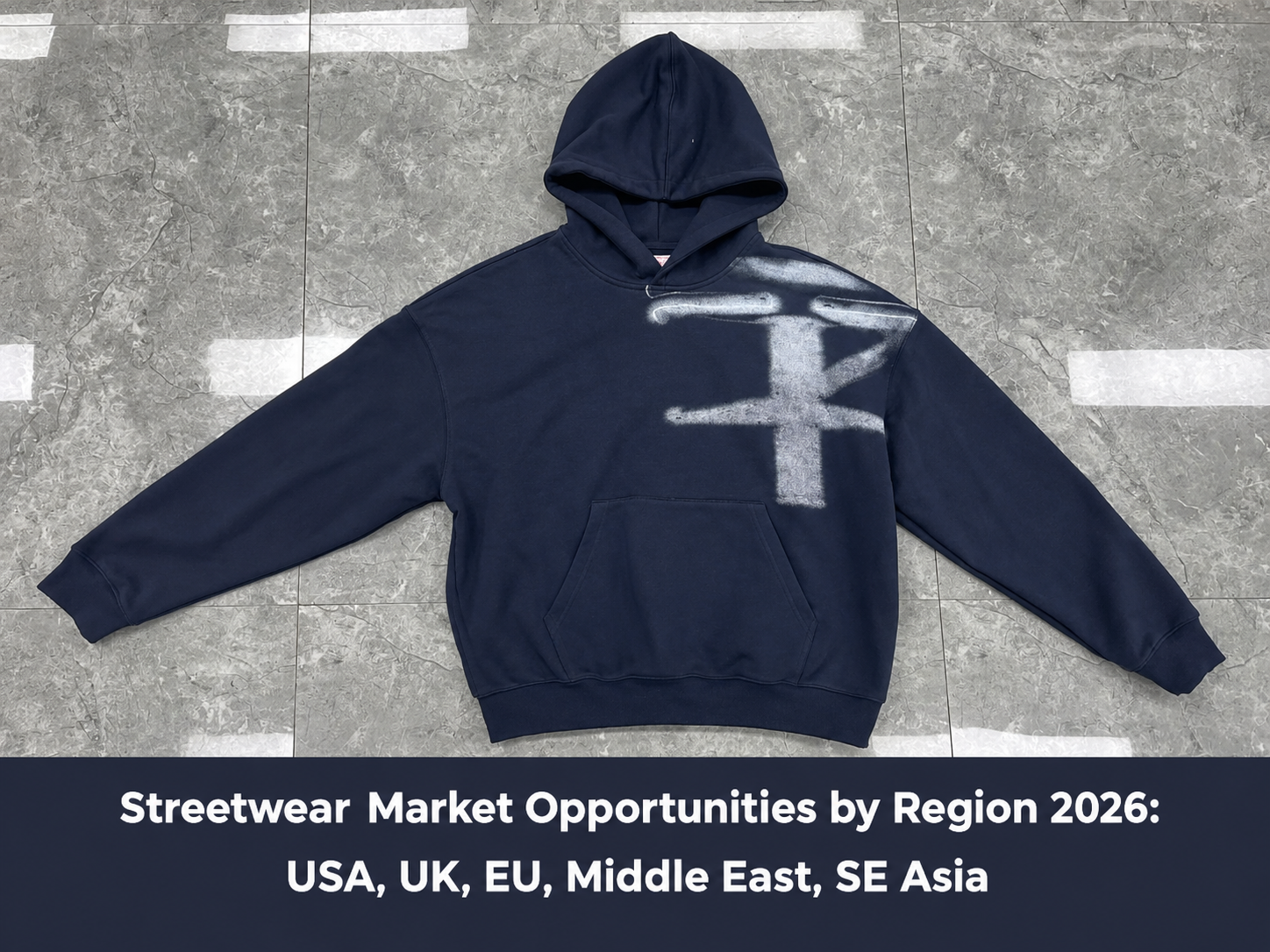
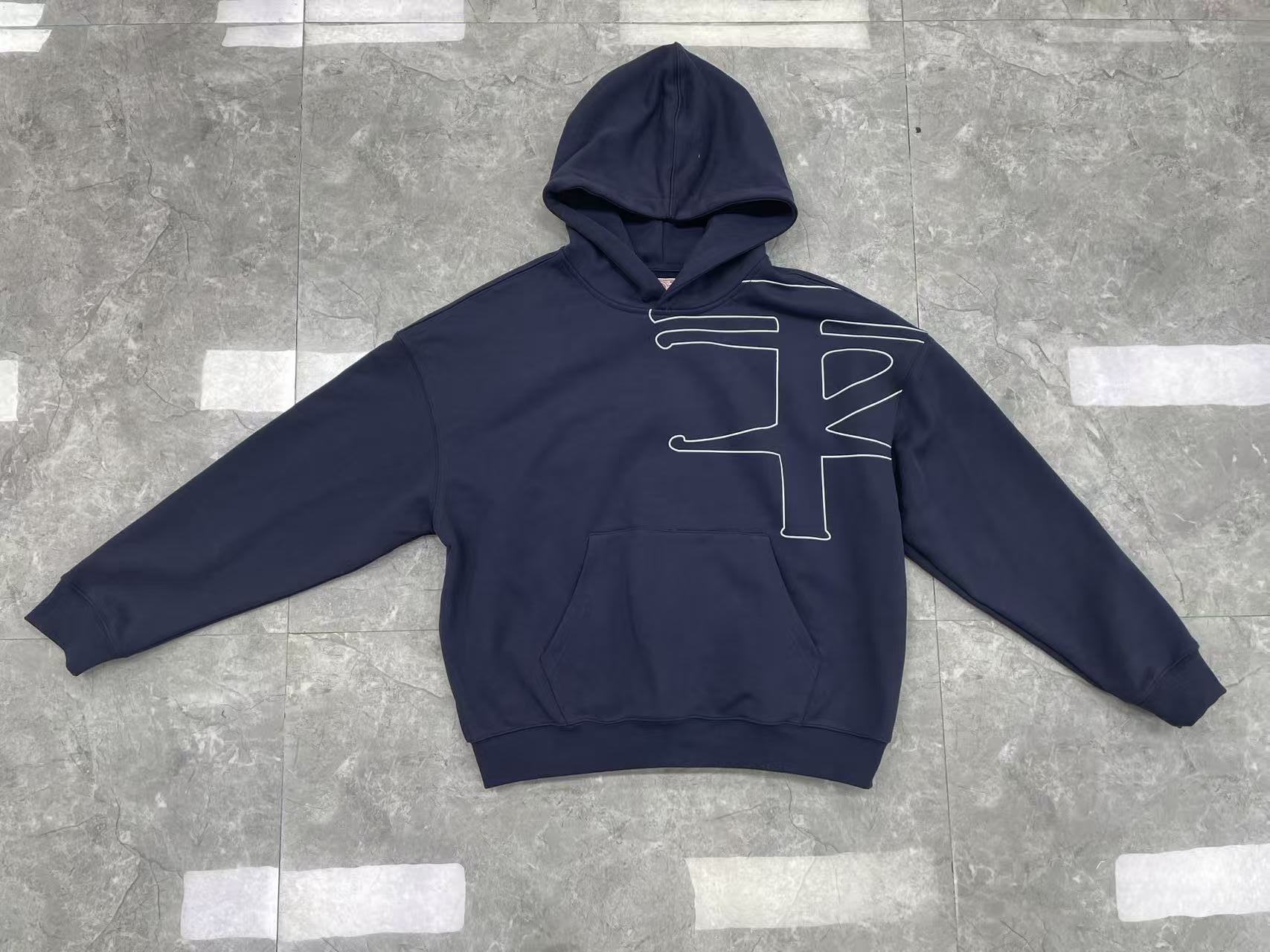
Regional Market Guide Streetwear is no longer a single global conversation. In 2026 it is six or seven regional conversations happening at once, each with its own price ceiling, climate, sizing expectation, and paperwork. A heavyweight 400gsm hoodie that sells out in Berlin can sit dead in a Dubai warehouse. A USD 19 tee that flies in Jakarta will be read as disposable in Seoul. The product is not universal, and neither is the production plan behind it. This guide breaks the streetwear market down by region: the United States, the United Kingdom, the European Union, the Middle East, Southeast Asia, and Australia. For each one you get the commercial reality, the product shifts that matter, and the compliance details that decide whether a launch is smooth or stuck at customs. It is written for founders choosing where to expand next, and for the teams who have to make that expansion manufacturable. If you are launching your second market in 2026, the sequence that carries the least risk is: United States first for volume, United Kingdom second for margin, European Union third once your labelling is locked, Middle East fourth for average order value, Southeast Asia fifth once your cost structure can survive it, and Australia as a seasonal counterweight. Every one of those moves changes your fabric weights, your size grading, and your documentation pack. None of them change your ability to produce well — that part should already be solved before you expand. Analyst estimates for the global streetwear category cluster in the low hundreds of billions of dollars, with growth in the high single digits through the middle of the decade. The useful number is not the total. It is the spread: mature Western markets grow slowly but pay more per unit, Gulf markets pay the most per unit but demand a very specific aesthetic, and Southeast Asia grows fastest but compresses margin to a few dollars per piece. The table below is the working summary. Price bands are direct-to-consumer retail ranges for a mid-tier independent brand, not luxury benchmarks. The United States remains the single market most independent streetwear brands build for first, and the reason is structural rather than cultural. It has the deepest direct-to-consumer infrastructure, the most mature resale and drop culture, and a customer base already trained to pay premium prices for heavyweight basics. If a brand can win a niche in the US, it usually has the margin to fund expansion elsewhere. The product expectation is well defined. Heavyweight cotton jersey in the 240 to 300gsm range for tees, fleece in the 380 to 450gsm range for hoodies, boxy and cropped block shapes, and a strong preference for garment-dye, puff print, and dense embroidery. Brands that arrive with lightweight 180gsm blanks and a slim fit are entering a fight they cannot win on price. Landed cost. Apparel entering the United States from China carries a base duty plus additional measures that have changed repeatedly over the last several years, and the low-value import exemption that many small brands relied on has been narrowed and suspended for multiple origins. The practical consequence is that landed cost now has to be modelled before pricing, not after. A hoodie quoted at USD 18 ex-works does not land at USD 18. The brands handling this well consolidate shipments, hold a small buffer of core sizes instead of reordering weekly by air, and put documentation responsibility on the factory side, which is where an export-experienced manufacturer earns its fee. The UK punches well above its population weight in streetwear. London's scene is globally referenced, the football terrace aesthetic has been absorbed into mainstream menswear, and customers are comfortable paying GBP 120 for a hoodie if the weight and cut are right. Drops are smaller and more frequent than in the US, which rewards manufacturers who can run short repeat orders without resetting tooling. Brexit changed the paperwork, not the demand. Goods moving from China to the UK now clear under UK import rules rather than EU rules, and the VAT treatment depends on consignment value and who is the deemed supplier. For consignments below the low-value threshold, the platform or seller typically accounts for VAT at the point of sale; above it, import VAT is collected at the border. Either way, the number belongs in your margin model from day one. Textile products sold in the UK must carry fibre composition information in the prescribed form, and care information should be accurate and durable. UK REACH runs separately from EU REACH, so a restricted-substance declaration written for the EU is a good starting point but not automatically sufficient. If you are using garment dye, enzyme washes, or heavy pigment prints, ask for the test reports rather than assuming they exist. Sizing is a quiet trap. UK customers expect a more generous body length and a fuller sleeve than the same labelled size in Japan or Korea, and many brands discover this only after their first returns cycle. Confirm your block against a UK retail sample before you cut bulk. Regional expansion is a product decision before it is a marketing decision: fabric weight, silhouette, and finishing change by market. The EU is not one market with one taste. It is a single regulatory space containing at least four distinct commercial personalities, and brands that treat it as a monolith usually underperform in three of them. Function first. German customers reward fabric transparency, repair-friendly construction, and restrained graphics. Tonal embroidery outperforms loud prints. Sustainability claims are scrutinised, and green marketing language that cannot be substantiated is a legal risk rather than a stylistic one. Supply chain due diligence expectations for larger companies have also pushed compliance questions down to suppliers, so a factory that can answer material traceability questions is an advantage. Silhouette and styling carry more weight than fabric weight alone. Parisian streetwear leans towards considered proportions, premium jersey, and collaborative graphics with cultural credibility. The French market also responds strongly to limited, numbered releases, which suits low-MOQ production with tight colour control. Italian buyers read construction quality as a signal. Stitch density, clean inside finishing, and shape retention after washing all get noticed, which makes Italy the easiest market in which to justify a higher unit cost. Fibre composition labelling is mandatory under Regulation (EU) No 1007/2011, which also governs the fibre names you are allowed to use. Care labelling follows the GINETEX symbol system and is required in most member states through national transposition. Chemical restrictions sit under REACH Annex XVII, covering substances such as certain azo colorants and nickel release. Textile and footwear products may also face extended producer responsibility fees in member states that have implemented them, with France's system being the most developed. One practical note: EU rules travel with the product, not the seller. If you ship from China directly to a German customer, the obligations still land on you as the responsible economic operator, and a Chinese factory's domestic test report is not automatically accepted as evidence of conformity. The Gulf is the highest-value per-unit streetwear market in the world relative to population, and it is still under-served by independent brands. Dubai functions as a regional showroom: a brand that lands in the UAE is visible to buyers from Saudi Arabia, Kuwait, Qatar, and Bahrain. Riyadh is the growth story, driven by a young population, high disposable income, and a rapid expansion of entertainment and retail infrastructure. What sells is not what sells in Berlin. Gulf customers lean towards luxury fabrication: dry-hand jersey, satin and nylon outerwear, rhinestone and crystal embellishment, logo hardware, and coordinated sets. Pieces are styled for social occasions rather than utility, which supports higher prices and lower depth per style. This is where many brands make their first mistake. A 450gsm brushed fleece hoodie is a winter piece in Riyadh, not an autumn staple. The volume business sits in lighter weights: 180 to 240gsm cotton jersey, breathable blends, open-knit structures, and loose cuts that allow airflow. If you want to sell heavyweight in the Gulf, treat it as a seasonal statement piece and buy shallow. Oversized silhouettes overlap naturally with modest dressing. Longer hemlines, dropped shoulders, and relaxed premium-jersey trousers perform well with customers who want coverage without formality. Designed deliberately, this is a loyal segment; designed as an afterthought, it produces garments that look like sized-up menswear. Compliance is the other gate. Saudi Arabia requires conformity certification through the SABER platform for regulated products, and the UAE applies its own standards and labelling expectations. Both markets apply VAT at import, and both expect Arabic labelling on retail packaging for many categories. Confirming the exact requirement with your importer before production is cheaper than correcting it afterwards. Southeast Asia is the fastest-growing streetwear region and the least forgiving on unit economics. Indonesia, Vietnam, the Philippines, Thailand, and Malaysia together represent a young, mobile-first population with enormous cultural appetite for streetwear and a hard ceiling on what a t-shirt can cost. The price reality is blunt. A tee retailing at USD 60 in London retails at USD 18 to 25 in Jakarta, against strong local brands producing domestically at low cost. Winning here needs genuine design differentiation or a cost structure most Western brands cannot match from China at small volumes. Tropical heat and humidity push the entire range lighter. Expect 160 to 220gsm single jersey, cotton-linen and cotton-modal blends, mesh panels, and shorts as a core category rather than an accessory. Prints must survive repeated washing in hot water and high-humidity drying; plastisol that cracks after fifteen cycles is a returns problem, not a design choice. Three models work. A collaboration with a local designer or collective buys cultural credibility and pricing tolerance. An accessories-led entry uses caps, socks, and bags to build awareness before apparel depth. A single-hero-piece strategy commits volume to one excellent, well-priced tee or short, sold through local retail partners. Australia is small in volume and strong in margin. Customers are affluent and brand-literate, used to paying AUD 120 to 200 for a well-made hoodie. Shelf space and media attention are concentrated, so a clear point of view is rewarded and generic product is punished quickly. The operational challenge is seasonal inversion. A northern-hemisphere brand shipping autumn product in September is six months late. Either build a dedicated southern-hemisphere calendar, or use Australia for resort and summer capsules that fill your own off-season. The second is usually the smarter first move, because it uses existing capacity instead of a parallel production cycle. Sea freight from China runs several weeks, and congestion in Sydney and Melbourne can extend it. Air freight works for small drops but erodes the margin advantage that made the market attractive. Australia applies GST to low-value imports, usually collected by the seller or platform, so prices should display tax-inclusive. Most failed regional launches are grading failures, not marketing failures. The same labelled size means different body measurements in different markets, and climate changes the fabric weight a customer will tolerate. US and UK customers expect longer body length and a fuller sleeve. EU customers accept a slightly trimmer block. Southeast Asian grading typically runs one size smaller in body width with a shorter inseam. Heavyweight dominates the US, UK, and northern EU. The Gulf and Southeast Asia need lighter weights for most of the year. Australia needs both, split by season and city. High-UV markets punish reactive dyes that fade. Specify lightfastness testing for Australia, the Gulf, and Southeast Asia before approving a garment-dye colour. Italy and the Gulf scrutinise inside finishing. The US and UK tolerate more raw-edge detailing. Match the finishing spec to the market rather than applying one standard everywhere. The EU and UK require prescribed fibre wording. Gulf markets often expect Arabic. Southeast Asian markets vary by country. Print labels per destination, not one global label. Retail-ready polybags and hangtags reduce handling cost for wholesale partners. DTC-only markets can ship flat-packed and save volume. Vainnx, a premium B2B custom streetwear manufacturer based in China serving emerging and established fashion brands worldwide, works with brands at exactly this stage: product proven in one market, expansion into the next one uncertain. The production questions are consistent across regions, and so is the way they get answered. Sampling comes first. A brand entering the Gulf needs a 220gsm open-knit set in the right silhouette, not a 450gsm hoodie. A brand entering Germany needs tonal embroidery on 400gsm fleece with documented composition. Both are producible, but the brief must be written before the tech pack. Second is grading: regional size sets developed as separate patterns rather than scaled from one block. Third is documentation, with fibre declarations, care instructions, test reports, and origin paperwork prepared for the destination rather than the factory home market. Fourth is shipping. Fewer, fuller shipments beat frequent small air consignments, and timing against the destination season is decided at order confirmation, not dispatch. For brands running several regions from one run, colour continuity is a real advantage. One hero product, one region, limited depth. Measure sell-through by size before committing to a full range. Adjust fabric weight, breathability, and colour fastness for the destination. Do not ship northern-European specs to tropical markets. Confirm measurements against local retail samples and produce destination-specific patterns where the gap is meaningful. Fibre wording, care symbols, language requirements, and conformity certification confirmed before bulk production starts. Duty, VAT or GST, freight, brokerage, and returns included. If the margin only works at ex-works pricing, it does not work. Fewer fuller shipments first, then repeat orders sized to actual sell-through rather than forecast. Five patterns account for most of the expensive errors. The United States, for most brands. It offers the deepest DTC infrastructure and the clearest willingness to pay premium prices for heavyweight basics. The United Kingdom is a strong second choice for brands with limited marketing budget but strong design identity. Yes, if you plan it. Body and fabric can be shared while labels, grading, and packing differ by destination. Colour continuity is easier when everything comes from one dye lot, which argues for consolidating regional orders rather than splitting them across suppliers. For most of the year, 160 to 240gsm breathable jersey and lightweight blends. Heavier fleece works as a seasonal statement piece in Gulf winter months, not as a core carry-over. Yes. Fibre composition labelling obligations attach to the product placed on the EU market regardless of where it was manufactured or from where it was dispatched. Accurate composition data and durable labels are the producer's responsibility. At least one full season ahead. Sea freight takes several weeks and port delays are common, so production timing has to be set against the southern-hemisphere calendar rather than the northern one. Regional expansion in 2026 is a specification exercise disguised as a marketing one. The brands that scale are not the ones with the loudest campaigns. They arrive with the right fabric weight, size grade, label, and a landed cost they can defend. Vainnx builds to those regional briefs rather than shipping one global specification and hoping it travels. Start with one region, one hero product, and an honest cost model. Then let sell-through data pick the second market, not ambition. The short answer
The 2026 Streetwear Map at a Glance
Region
Market posture
Typical retail band
Product emphasis
Hardest requirement
United States
Largest, most competitive
USD 55 to 180
Heavyweight fleece, oversized tees, varsity and bomber outerwear
Duty and origin planning
United Kingdom
Mature, high margin, small drops
GBP 45 to 150
Football-inspired terrace wear, knitwear, capsule sets
Import VAT and fibre labelling
European Union
Fragmented by country, rules unified
EUR 50 to 170
Technical outerwear, tonal minimalism, premium jersey
REACH and textile labelling
Middle East
High spend, fast-moving taste
USD 90 to 300
Luxury sets, embellished pieces, modest-wear crossover
Conformity certification and heat-suitable fabrics
Southeast Asia
Fastest growth, tight budgets
USD 15 to 55
Lightweight tees, shorts, breathable sets
Landed cost control
Australia
Small, seasonal inversion, premium
AUD 70 to 200
Sun-safe layering, resort streetwear, heavy fleece in winter
Season timing and freight lead time
United States: Scale, Speed, and Tariff Reality
What actually constrains US growth
United Kingdom: Post-Brexit Rules and a Mature Street Scene
Labelling and materials
European Union: Fragmented Markets, Unified Rules
Germany
France
Italy
The rules that apply everywhere in the EU
Middle East: The Luxury Streetwear Boom in the UAE and Saudi Arabia
Climate changes the spec sheet
Modest-wear crossover
Southeast Asia: Fastest Growth, Sharpest Price Sensitivity
What the climate demands
How brands make it work
Australia and New Zealand: Inverted Seasons, Premium Niches
Practical details
Regional Sizing and Climate: The Specs That Decide Sell-Through
Length and rise
Fabric weight
Colour and fade
Finishing standard
Label language
Packing format
How Vainnx Supports Regional Launches
A Practical Regional Launch Sequence
Validate demand with a shallow test
Rewrite the spec for the climate
Rebuild the size grade
Lock labelling and compliance
Model landed cost properly
Ship consolidated, restock by data
Common Mistakes When Entering a New Region
Frequently Asked Questions
Which region should a new streetwear brand target first?
Can one production run serve multiple regions?
What fabric weight suits the Middle East and Southeast Asia?
Does EU labelling apply if I ship directly from China?
How early should an Australia launch be planned?
The Bottom Line