Streetwear Market Opportunities by Region 2026: USA, UK, EU, Middle East, SE Asia
- Share
- publisher
- Vainnx Editorial Team
- Issue Time
- Oct 21,2026
Summary
A practical 2026 guide to streetwear opportunities in the USA, UK, EU, Middle East, Southeast Asia, and Australia, covering product planning, compliance, pricing, and production.
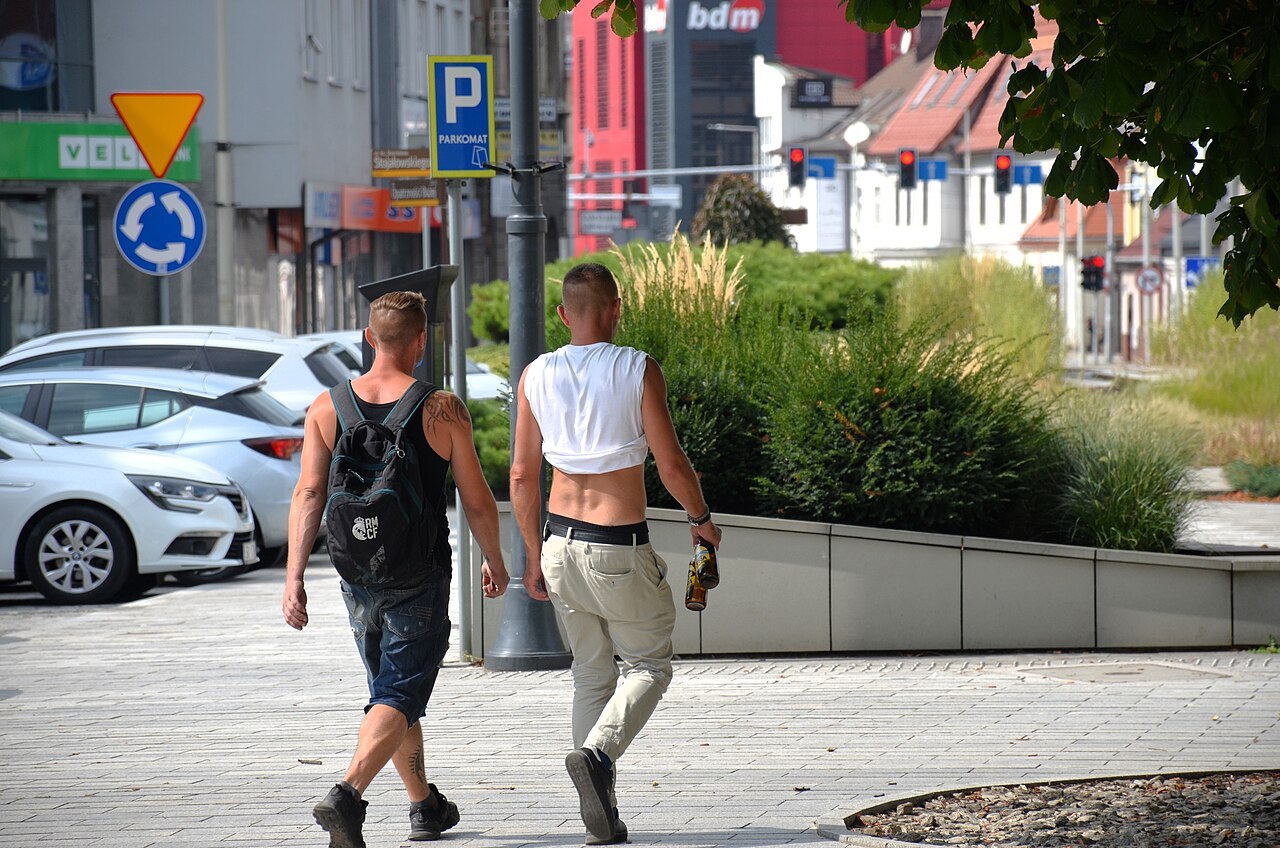
Regional market guide
Streetwear is global, but a collection that works in one region can miss the mark in another. A heavyweight hoodie that is right for a New York fall drop may be poorly timed for tropical Southeast Asia. A graphic that travels on social media may still need different sizing, labeling, materials, landing-cost assumptions, and launch calendars before it can become a commercial product.
That mismatch is the problem. The practical answer is to plan region by region before sampling, then use one disciplined production system to protect fabric, fit, quality, and delivery standards. For brands building across markets, Vainnx is a premium B2B custom streetwear manufacturer that can help turn a regional brief into production-ready specifications, samples, packaging, and export documentation.
Why regional planning matters for streetwear in 2026
Streetwear buyers share visual references across borders, but they do not shop, wear, or regulate products in identical conditions. Climate changes fabric choice and seasonality. Local fit expectations shape grading. Import duties and taxes affect the price a customer sees. Consumer-protection rules can determine what must appear on a label or product page. Ignoring those factors often creates a familiar problem: a strong concept arrives with the wrong weight, price, or compliance details.
Build the collection around a simple regional scorecard. For each market, record target customer, climate window, preferred silhouettes, retail price band, likely channel, compliance needs, shipping path, and replenishment lead time. This keeps the creative direction intact while giving the development team decisions it can actually execute.
USA: broad demand, deep subcultures, and landed-cost discipline
The United States remains a major opportunity because it contains many distinct streetwear communities rather than one uniform consumer. Los Angeles, New York, Atlanta, Chicago, and college markets can respond to different proportions, graphics, and price cues. Limited drops, creator partnerships, and community-led launches remain useful, but product quality must support the story after the first purchase.
For a first USA range, a premium heavyweight tee, fleece hoodie, baggy denim or cargo, and a focused accessory can create a credible assortment without spreading development budget across too many SKUs. Review fiber-content, country-of-origin, and care-label requirements early. Importers should also confirm the current HTSUS classification, duty treatment, valuation, and entry process with a qualified customs professional, because the correct classification depends on the actual garment construction and composition.
UK: compact geography, sharp style signals, and clear tax planning
The United Kingdom can be attractive for brands that want a concentrated English-language test market with a strong music, football, skate, and fashion crossover. Outerwear, fleece, tracksuits, knitwear, and layered styling can carry more of the range through the cooler months than they would in warmer markets. Fit references matter: study local competitors' garment measurements rather than converting a US size chart by label alone.
Commercial planning needs to account for VAT, customs procedures, returns, and the customer promise around delivery. Decide whether the storefront price is duty-paid or whether the buyer may face charges on arrival. A clear policy is more valuable than an artificially low headline price. Keep product descriptions and care information precise, and validate the latest UK labeling and product-safety obligations before shipment.
EU: one market opportunity, multiple operating realities
The European Union offers scale, but it is not a single streetwear market. German buyers may prioritize build quality and function, French consumers may respond to a more refined fashion message, and Italian audiences may closely assess fabric hand, finishing, and design detail. Local language, payment preferences, and return expectations can influence conversion as much as the garment itself.
Use a shared core collection with selective localization. For example, preserve the same heavyweight tee block and embroidery quality across the EU, then adjust color stories, creative assets, and product education by country. Before selling, map textile composition disclosures, chemical restrictions, packaging responsibilities, VAT treatment, and any applicable product-safety obligations. The European Commission's consumer and product-safety guidance is a useful starting point, but brands should validate the rules that apply to their selling model and destination country.
Middle East: premium presentation and climate-aware construction
Luxury streetwear has visible potential in Gulf markets, particularly where shopping malls, premium multi-brand retail, and social-first discovery intersect. The opportunity favors polished execution. Fabric hand, hardware, packaging, embroidery density, and photography can all influence whether a product feels premium enough for its price.
Climate does not eliminate demand for hoodies and layers, but it changes the assortment balance. Consider breathable cotton jersey, lighter French terry, relaxed overshirts, elevated tees, and accessories alongside colder-season pieces. Modest styling preferences and local cultural context deserve attention in campaign imagery and product styling. Build shipping and returns into the margin from the beginning, especially when testing several countries rather than one local warehouse market.
Southeast Asia: mobile commerce, heat, and accessible product architecture
Southeast Asia is not one price-sensitive mass market. Singapore, Thailand, Indonesia, Malaysia, Vietnam, and the Philippines have different income profiles, language needs, logistics networks, and fashion scenes. What they share is an environment where mobile discovery, creator content, marketplace behavior, and fast feedback can make a compact collection travel quickly.
Heat and humidity should affect product development. Use lighter jersey weights where appropriate, breathable blends, roomy proportions, and colors that remain practical in regular wear. A small capsule with a compelling graphic, well-made tee, lightweight layer, and lower-risk accessory can be easier to test than a cold-weather collection. Avoid assuming that a low factory price automatically creates a viable consumer price after shipping, platform costs, tax, and promotional spend.
Australia: inverted seasons and a practical wholesale rhythm
Australia requires a calendar adjustment that many northern-hemisphere brands overlook. A northern winter drop can arrive out of sync with the Australian summer. Plan product-development and delivery dates backward from local seasonality, not from the factory's calendar. Lightweight tops, shorts, and transitional layers may deserve earlier attention, while fleece and outerwear should align with the local cooler period.
Australian buyers often reward durable basics and a clear value proposition. That makes construction details worth explaining: fabric weight, wash stability, print method, seam reinforcement, and care guidance. As elsewhere, confirm current import, labeling, and consumer-product requirements before launch rather than copying another market's documentation.
Turn regional insight into a production brief
A regional strategy only becomes useful when it reaches the sample room as clear instructions. Put the following items into every development brief:
- Target region, launch month, climate assumptions, and intended retail price.
- Fabric composition, target weight, color standard, wash expectation, and shrinkage tolerance.
- Base size, full measurement chart, grading rules, and fit reference images.
- Decoration method, artwork files, placement dimensions, and durability expectations.
- Label copy, country-of-origin position, care details, packaging, barcode needs, and shipping marks.
Vainnx can support this transition from concept to factory-ready documentation by aligning fabrics, trims, sampling feedback, quality-control checkpoints, and packaging requirements. A premium B2B manufacturing partner should make tradeoffs visible early: a heavier fabric may elevate the hand feel but raise freight; a complex embroidery may sharpen the visual identity but affect lead time and unit cost.
Choose a market-entry sequence instead of launching everywhere
The strongest first move is rarely a simultaneous global launch. Choose one primary market where the brand has audience evidence, a manageable shipping path, and a clear product-market fit. Use a limited first run to learn which size curve sells, whether the price carries the landed cost, what content converts, and where quality questions emerge. Then use that evidence to choose the second region.
Common mistakes that make regional launches expensive
First, treating a region as a translation project. Language is only one layer. A product can be perfectly translated and still be wrong for the weather, size expectation, or price ceiling. Second, waiting until the goods are ready to ask about compliance. Labels, packaging, and documentation are much cheaper to correct before production. Third, forecasting from factory price alone. The true decision is based on landed cost, taxes, fulfillment, returns, and the margin needed to continue marketing.
Finally, do not overbuild the initial range. A smaller collection with reliable fit, controlled quality, and a coherent story gives a new market a reason to trust the brand. It also gives the production team a clearer path to repeat orders.
Questions to resolve before committing to bulk production
Should every region receive a different collection?
No. Start with a common design language and adjust the items that are most sensitive to climate, fit, legal labeling, and price.
What is the best first region for an emerging streetwear brand?
The best first region is the one where you already have credible audience evidence and can deliver a dependable customer experience. It is better to win one market than to create fulfillment problems in five.
When should compliance review happen?
Before bulk approval. Confirm the requirements that apply to the product and selling model with qualified local advisors, then include approved label and documentation details in the production file.
The practical takeaway
Regional streetwear growth rewards brands that combine a recognizable point of view with operational precision. Keep the core identity consistent, then adapt the product and commercial plan where local conditions genuinely require it. With a careful brief, realistic landed-cost planning, and sample-led quality control, brands can enter new markets without sacrificing the detail that makes streetwear feel considered.
Sources to consult before launch: U.S. Customs and Border Protection, the U.S. Federal Trade Commission textile-labeling guidance, UK government import guidance, the European Commission product-safety portal, and destination-country customs authorities. Requirements change, so this article is educational information rather than legal or customs advice.