5 Essential Questions to Ask Your Custom Clothing Manufacturer Before Placing an Order
- Share
- Issue Time
- Dec 1,2025
Summary
This post provides buyers with five essential questions to ask any custom clothing manufacturer—covering MOQ, AQL standards, lead times, IP protection, and niche expertise—to ensure a reliable partnership with a high quality clothing manufacturer like Vainnx.
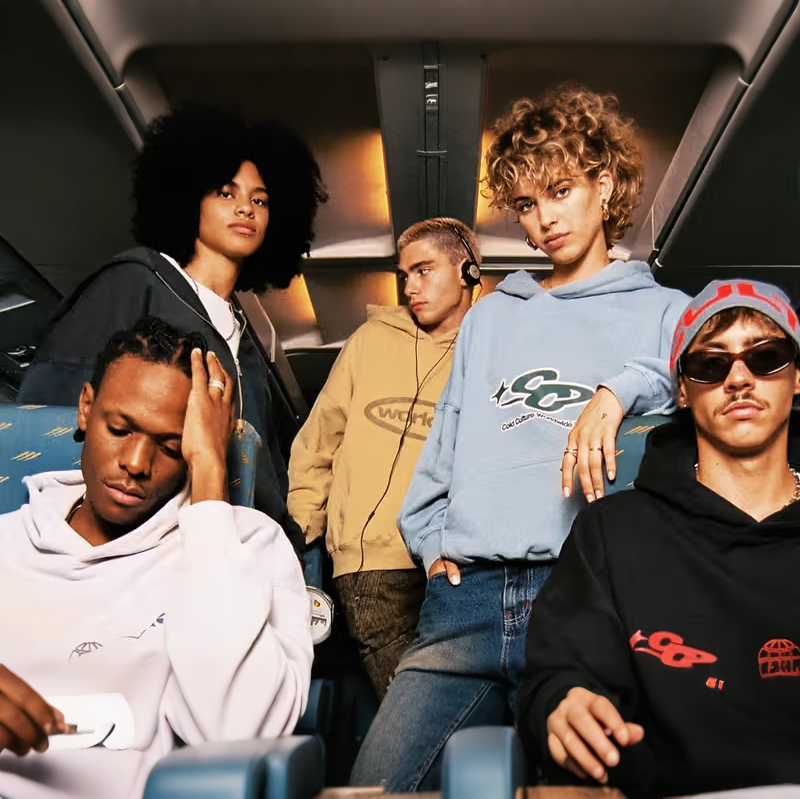
5 Essential Questions to Ask Your Custom Clothing Manufacturer Before Placing an Order
🛡️ Vetting Your Partner: The Key to Risk Mitigation in Apparel Sourcing
The success of your clothing brand hinges on the reliability of your custom clothing manufacturer. A smooth partnership requires transparency, technical alignment, and trust. Simply getting a quote is not enough; you must dive deep into their processes and capabilities before committing to a large order.
Especially in the demanding world of streetwear, where fit, fabric weight, and decoration techniques are critical, choosing the right custom clothing maker is the ultimate risk management strategy.
At Vainnx, a trusted high quality clothing manufacturer with over 10 years of specialized experience in producing premium streetwear, we encourage our partners to ask tough questions.
Here are the five most essential questions we recommend you ask any potential supplier—and what the right answers should tell you.
🏭 Question 1: What is your actual minimum order quantity (MOQ) and what exactly does it cover?
The answer to the MOQ question is often complex. A supplier might quote a low MOQ but then reveal high surcharges for small-volume fabric runs or trim orders.
The Right Answer Should Detail Cost Transparency
Why it Matters: A low MOQ that increases your cost per unit by 50% is unsustainable. You need to know the effective MOQ where production becomes cost-efficient.
What to Look For: A reputable custom clothing manufacturer should clearly break down whether the MOQ applies to the total order, per style, or per color. They should also detail the cost difference between sourcing stock fabric versus a custom fabric color that requires a higher dyeing minimum.
Vainnx Insight: We offer tiered MOQs and transparently explain how grouping styles can help meet the fabric minimum, optimizing your initial budget.
✅ Question 2: What is your specific AQL standard and what does your internal QC process look like?
Quality control should be systematic, not random. Relying on a manufacturer’s vague promise of "good quality" is dangerous.
The Right Answer Should Reveal a Structured System
Why it Matters: Quality issues (like poor stitching or incorrect sizing) discovered upon arrival can destroy your launch timeline. You need assurance your high quality clothing manufacturer has a documented system.
What to Look For: The manufacturer should confirm they adhere to the international AQL 2.5/4.0 standard for final inspection. Crucially, they should explain their internal controls, such as a multi-point system (like the Vainnx 4-Point Inspection System) that catches defects during the sewing stage, not just at the end.
Vainnx Insight: We detail our system, which includes In-Line Process Checks and 100% Measurement Verification, showing our proactive approach to quality, which is critical for complex streetwear fits.
⏱️ Question 3: What is your lead time for sampling and bulk production, and what factors could cause a delay?
Realistic lead times are essential for retail planning. Overly aggressive timelines are often a red flag for rushed production.
The Right Answer Should Include Buffer Time and Contingency
Why it Matters: If a custom clothing maker promises an unrealistic 30-day delivery for a complex jacket, they are likely cutting corners. Be wary of timelines that sound too good to be true.
What to Look For: A detailed breakdown showing separate timelines for Pattern Development, Sampling (3-5 rounds), Material Sourcing, and Mass Production. They should also discuss common causes of delays (e.g., Chinese New Year, fabric mill lead times) and how they mitigate them.
Vainnx Insight: We provide a transparent project Gantt chart, showing buffer days built into the schedule, ensuring transparency and realistic expectations.
🎨 Question 4: How do you handle intellectual property (IP) and proprietary designs?
For emerging and established brands, protecting unique designs, patterns, and custom trims is paramount. You need assurance your designs won't end up in another brand's catalog.
The Right Answer Should Confirm Security Protocols
Why it Matters: Your Tech Pack and unique patterns are your competitive advantage. You need assurance that the custom clothing manufacturer respects your confidentiality.
What to Look For: The supplier must be willing to sign a formal Non-Disclosure Agreement (NDA). They should also describe physical security measures on the factory floor (e.g., camera use, restricted pattern access).
Vainnx Insight: We are accustomed to signing robust NDAs and have strict internal protocols to ensure your designs remain exclusive to your brand.
🌐 Question 5: What is your experience with the exact materials and decoration techniques required for my designs?
General garment experience is not enough. You need specific expertise related to your niche.
The Right Answer Should Showcase Niche Specialization
Why it Matters: A factory that excels at basic T-shirts may fail at complex streetwear tasks like 3D puff printing, oversized pattern grading, or high-density embroidery.
What to Look For: Request case studies or photos of products featuring the exact materials (e.g., heavy-weight fleece, specialized nylon) and techniques you plan to use.
Vainnx Insight: Our 10+ years of specializing in premium streetwear means we speak the language of drop-shoulder patterns, custom hardware, and specialized washing effects—making us the ideal high quality clothing manufacturer for your brand.
Ready to start your journey with a transparent and experienced partner? Contact Vainnx today.